.png)
Japan Packing List for First-Time Visitors: What to Pack, Wear and Set Up Before Your Trip
There are two types of travelers: those who arrive in Japan with an empty suitcase ready to shop, and those who bring a bag packed with an outfit for every possible occasion. Deciding what to bring can be challenging when visiting any foreign country, but packing for Japan can be especially tricky. The weather varies dramatically by season, from summer rainstorms and intense humidity to freezing temperatures and heavy winter snow. This Japan packing list breaks down everything you need for your trip, including what to wear during each season and which travel essentials are worth bringing. The goal is to help you pack efficiently, avoid overpacking, and leave plenty of room in your suitcase for souvenirs.
Disclaimer: This post does contain affiliate links that if used, we can earn commission from. These types of links help us continue to make honest reviews for our readers

What to Pack for Japan; The Essentials Every First-Time Visitor Should Bring
Your first trip to Japan can be intimidating, from trying to figure out transit, navigating the language barrier, and not getting overwhelmed on busy city streets. Here are some essential items to make your first trip to Japan easier, so you can focus on having the trip of a lifetime.
Good walking shoes: Good walking shoes are an absolute must for Japan, if you plan on doing any sightseeing or taking transit you’ll likely spend long hours on your feet, and comfortable shoes can make the difference between an enjoyable sightseeing day, and a miserable day on your feet.
Comfortable socks: Like good shoes, comfortable socks that don’t slide down and are thick enough to prevent blisters, will be a lifesaver on long walking days. We like to wear our Bombas socks on long walking days, and have noticed crew socks are better at preventing heel blisters.
Portable charger: You will probably use your phone throughout the day for photos, maps, translations, transit, and mobile payments. A portable charger was a lifesaver for us on long sightseeing days when we were still far from our hotel.
Outlet adapter: Japan uses Type A outlets, which are the same two-prong plugs commonly used in the United States. If your devices use a different plug type or has three prongs, you may need an adapter. USB charging ports are also common in many Japanese hotel rooms.
Sun Protection: Since most days we were out in the sun for hours at a time, we wore sunscreen, and other sun protection like long sleeves or sun hats to try and avoid sunburns. When we forgot sun protection we ended up with burns, so we recommend bringing some form of protection with you!

Cash: Cash is a must in Japan, as almost every temple/shrine is cash only. We recommend getting some before your arrival, as we saw a lot of currency exchange machines, but ATMs were less frequent and normally in convenience stores like 7/11.
Light jacket or an umbrella: Rain in Japan can be unpredictable and come out of nowhere, for this reason we recommend bringing some sort of lightweight rain-jacket or small umbrella you can carry with you.
Pens or something to write with: When you are flying into Japan, you may be asked to fill out customs forms on board the plane, or shortly after landing, and there never seems to be enough pens to go around. To avoid waiting in a long line for pens, we filled the form out with our own and saved time from waiting in line.

Camera: Japan is full of photo opportunities, from bustling cityscapes to serene country roads. You do not need anything special, a phone camera works perfectly well, but make sure your lens is clean, your storage has room, and everything is working before your trip.
Day bag or backpack: We always carry our camera bag, which doubles as a day bag for essentials like an umbrella, sunscreen, a portable charger, water, and snacks. It also gives us somewhere to put small souvenirs we buy throughout the day. A purse, tote bag, sling, or backpack will all work, but we definitely recommend bringing something comfortable to carry.
What We Were Glad We Packed For Japan
There are a few items that we are extremely glad we packed, and would highly recommend bringing with you for a comfortable and pleasant trip to Japan. The best thing we brought by far was a comfortable pair of walking shoes and good thick crew socks. We walked over 40 miles during our week in Japan, and spent hours per day standing on our feet navigating city streets and local transportation. If you buy new shoes for your trip, make sure to break them in a little before your trip, and test them out so you aren’t stuck with a pair that rubs weird.
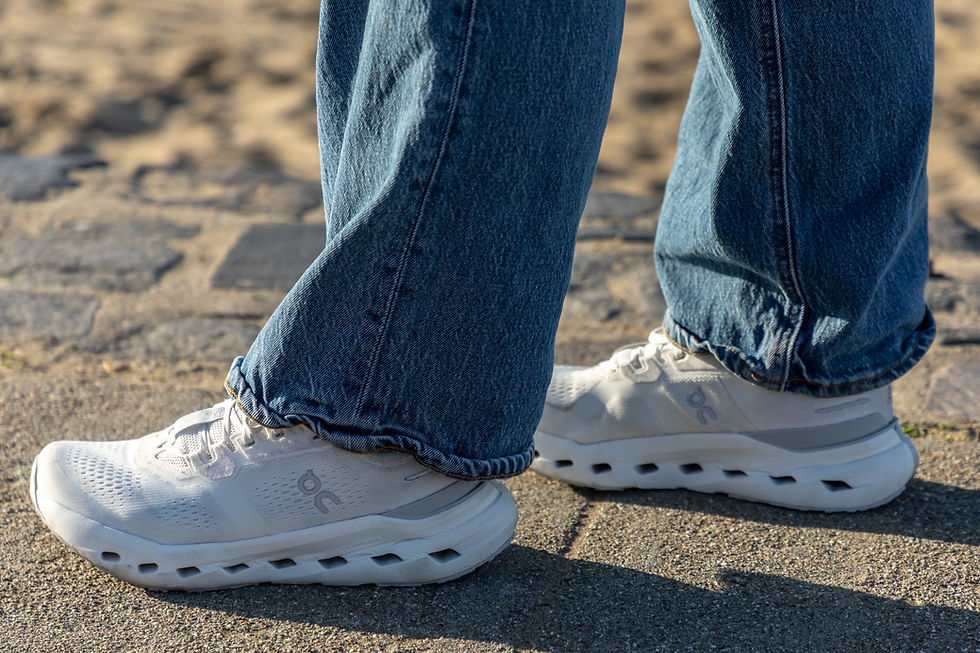
Our favorite shoes for long walking days are Hokas, or On Clouds, and we like to pair them with Bombas socks. This combo has gotten through even the longest of walking days, and left us ready to get back out and explore the next day.
Now this is a preference thing, but we were glad that we packed light, and used backpacks instead of rolling bags. For us it was easier to navigate transit with backpacks; we didn’t have to search the train stations for elevators or escalators, and instead could easily take the stairs. However, this is not for everyone, and they can get heavy to carry. Just be prepared if you take rolling bags to take them up and down stairs, and wheel them through the city. Most stations have elevators or escalators, but they are sometimes hard to find.
Here are some links to shoes we found great for long travel days!
What You Can and Cannot Easily Buy in Japan
If you forget something small at home, don’t fret. Most everyday travel essentials are easy to find in Japan, especially in larger cities where convenience stores, drugstores, and electronics shops are everywhere.
What You Can Easily Buy in Japan
Smaller items like charging cords, portable chargers, umbrellas, toiletries, tissues, and basic medicine are usually easy to find. Convenience stores are super common and often located on almost every block in busy areas, so you likely won’t have to go far if you need something in a pinch. Drugstores and discount stores also carry a wider selection of toiletries, skincare products, travel-size items, and other basics. Unless you need a specific brand or product, there’s no need to overpack things you can easily replace once you arrive.
What You Should Bring From Home
One thing I recommend bringing enough of is your preferred feminine hygiene products, especially tampons. Pads are easy to find in Japan, but tampons are not as popular and can be harder to locate, particularly outside major cities. The selection may also be more limited than what you’re used to at home, so I always pack enough for the trip, plus a few extras just in case. You may also want to bring any specialty toiletries, prescription medications, or specific products you know you cannot easily substitute while traveling.
What to Wear in Japan by Season
Summer: Summer in Japan is hot and humid, and the country’s rainy season typically runs from June through July. You’ll want to pack lightweight, breathable fabrics like linen, cotton, or performance polyester. We made the mistake of wearing light raincoats and just about passed out from the heat and humidity. Flowy clothes like dresses, loose shorts and T-shirts, and other comfortable, lightweight items are best for really hot and humid summer days in Japan. We recommend ditching the raincoat for an umbrella to help beat the heat and humidity. We saw most locals favoring umbrellas as well and quickly learned why!
Spring: Spring in Japan can bring a mix of weather, with chilly early mornings and evenings followed by warm, humid afternoons. Light layers and lightweight fabrics like cotton and linen will help you adjust as the temperature changes throughout the day. Pants, long sleeves, and light jackets are all good things to pack. Rain is also a possibility, so a lightweight rain jacket can help you stay cool and dry without adding too much bulk.

Fall: During the fall in Japan, temperatures start to drop, but September and October can still be warm in places like Tokyo, where temperatures may remain in the 70s and 80s. We recommend packing light layers along with one or two warmer items. Light sweaters, breathable long sleeves, light rain jackets, and pants are all good options. You may also want to bring tights to wear with dresses and skirts during colder mornings or evenings. If you’re heading north toward Hokkaido, more traditional fall layers like sweaters, pants, and jackets will be needed, as temperatures there are much colder.
Winter: Winter in Japan can be cold, and northern Japan near Hokkaido receives some of the heaviest snowfall in the world during the winter months. Popular tourist destinations like Tokyo, Kyoto, and Osaka see limited snowfall, but temperatures are still chilly, with averages in the 40s and 50s. Kyoto and Osaka tend to run a little colder than Tokyo and can reach lows in the 30s. If you plan on heading north toward Hokkaido, expect temperatures to drop below freezing. Visiting Japan during the winter means packing layers, warm outer coats, long sleeves, sweaters, and lighter jackets, anything that is easy to shed or add as the temperature changes. Layers are especially important because shops and trains can run warm while the weather outside is chilly.
Japanese Temples, Shrines, and on Long Walking Days
Temples and shrines: While there are no strict dress codes for most temples and shrines in Japan, we recommend wearing more modest clothing. Avoid anything super revealing, like miniskirts or extremely cropped tops. Use your discretion and try to dress respectfully. You should also avoid offensive text or graphics on clothing and be mindful of what you wear on temple and shrine days.
Long walking days: Yes, we know we have stressed it over and over, but being prepared for long walking days is something a surprising number of people fail to do before traveling. We see travelers all over the world with bad shoes, bad socks, aching feet, sunburns, etc. that ruin their trip. My go-to outfit for long walking days during the summer is a lightweight linen dress with comfortable shoes. It allows for plenty of airflow, helps keep me cool, and still looks cute in pictures. Elijah tends to lean toward jeans and a T-shirt, or shorts if it’s really hot. Whatever you wear, make sure your shoes are comfortable and can hold up for several miles. During colder weather, layers are important. Wear outer layers you can shed if you get hot after walking for a while, along with something you can easily put back on if the temperature starts to dip.
How to Pack for Japan Without Overpacking
Our go-to strategy for avoiding overpacking is creating a capsule wardrobe. This means packing a small number of pieces that can be worn together in different combinations to create multiple outfits. We normally stick to neutral colors or choose pieces that work well with one another. A few tops, bottoms, and layers that can all be mixed and matched make it much easier to get dressed throughout the trip without packing a completely different outfit for every day.
It also helps to think about versatility when choosing what to bring. A lightweight jacket can work on a chilly morning, inside a heavily air-conditioned train, or during a rainy afternoon. A simple dress can be worn on its own in warm weather or paired with tights and a sweater when it gets cooler. The more ways you can wear each item, the less you need to pack.
The other way we avoid overpacking is by planning to do laundry while we’re there. Many hotels in Japan have laundry rooms or coin-operated washing machines, and we usually look for that while booking so we know we’ll be able to wash our clothes during the trip.
This is especially helpful during the spring and summer, when the weather can be hot and humid and you may go through clothes faster than expected. Planning to do laundry once or twice means you can pack fewer basics, rewear your favorite pieces, and still leave plenty of room in your suitcase for souvenirs.
Avoid Bringing Oversized Luggage
Oversized luggage can make getting around Japan much more difficult, especially if you plan on using public transportation. Large suitcases are harder to manage on local trains, in busy stations, and through narrow spaces. If you’re taking the Shinkansen, oversized baggage may also require a reserved storage space, depending on the size of your luggage. We recommend packing as lightly as possible and choosing luggage that you can comfortably carry through stations, lift onto trains, and manage on your own. Bringing less will also leave more room for souvenirs on the way home.
Documents, Money, and Medication Essentials for Japan
Passport and entry documents: You will need a valid passport to enter Japan unless you are a Japanese citizen. What you may not know is that foreign visitors are legally required to carry their physical passport while exploring Japan. Local police can ask to see your identification, so a photo or photocopy is not a replacement. We have personally never been stopped, but we have friends who were asked to show their passports during their trips. We recommend following the law and keeping your physical passport somewhere secure in your day bag whenever you leave your hotel. U.S. citizens traveling as tourists generally do not need a visa for visits of 90 days or less, provided they have a valid passport and are not participating in paid work. Travelers from other countries should check Japan’s current visa requirements for their nationality before booking their trip. You will also need to complete a customs declaration. This can be done online before your trip or after you arrive in Japan.
Credit cards, debit cards, and cash: Credit, debit, or cash, which is best for Japan? The answer is that you may need a little of each. Credit cards are accepted at many convenience stores, hotels, larger restaurants, and shops. However, smaller family-run restaurants, food stalls, temple shops, and businesses outside busy tourist areas may still prefer or require cash. Temples and shrines that charge an entrance fee may also collect it in cash.
A debit card is helpful if you need to withdraw yen from an ATM, while a credit card is useful for hotels, larger purchases, and emergencies. Before leaving home, check whether your cards charge foreign transaction or international ATM fees. In short, bring all three and cover all your bases. We always carry some cash for smaller purchases, along with at least one credit card and a debit card stored securely in separate places.

Where should you get yen? You can exchange a small amount before leaving home if having cash immediately makes you feel more comfortable, but it is also easy to withdraw yen after arriving in Japan. We normally recommend checking your bank’s international withdrawal fees and exchange rate before deciding which option is best for you. Seven Bank ATMs, commonly found inside 7-Eleven stores, and Japan Post Bank ATMs are two of the easiest places to withdraw yen with many foreign-issued debit and credit cards. ATMs are also available at major airports, so you can get cash shortly after landing if needed.When an ATM asks whether you want to be charged in yen or your home currency, choosing yen will generally allow your card provider to handle the currency conversion.
Medication restrictions: Japan has strict rules about bringing certain prescription and over-the-counter medications into the country. Some medications that are common and legal at home may be controlled, restricted, or require advance permission in Japan. This can include certain decongestants, stimulants, narcotics, and medications containing ingredients such as pseudoephedrine or ephedrine. The rules may depend on the exact ingredient, concentration, and amount you are carrying, so check every medication individually rather than assuming it is allowed. Some controlled medications require an import certificate or other approval before you travel. We recommend keeping medications in their original packaging and checking Japan’s Ministry of Health, Labour and Welfare guidance well before your departure date.
Tech Essentials for Japan
Portable charger: If you plan on taking tons of photos and videos, scrolling social media on the train, navigating with your phone, and using a mobile Suica or other IC card, having a portable charger on hand will be extremely helpful. We used ours constantly during our trip, and it was a lifesaver on long days when our phone batteries were running low and we were still far from our hotel. Since your phone may be handling everything from directions and translations to payments and photos, keeping it charged is especially important in Japan.
Portable chargers and power banks should not be packed in checked luggage. They need to remain with you in the cabin, and airlines may have additional rules involving their capacity, quantity, storage, and use during the flight. Check your airline’s current policy before packing yours.
Plug adapter and charging setup: If you are traveling from the United States, most of your devices probably use Type A plugs, which are also used in Japan. However, outlets in Japan commonly support two-prong plugs, so you may need a small adapter if any of your chargers have three prongs. Travelers coming from countries that do not use Type A plugs will need an outlet adapter. An adapter only changes the shape of the plug, it does not convert voltage so check the voltage information printed on your electronics before using them. This is especially important for items like hair dryers, curling irons, and straighteners. USB charging ports are also common in many Japanese hotel rooms. We bring a multi-device charger that uses one USB port to charge several items, such as our phones, AirPods, and watches. It is incredibly helpful when a hotel room has limited outlets, and it means we do not need to pack a separate plug for every device.
Phone storage, photos, and offline access: This is a niche one, but it is something I am guilty of every time we travel. My iPhone storage fills up quickly with all the photos and videos I take, and it always seems to happen at the worst possible moment. Before your trip, double check how much phone or cloud storage you have available. Delete anything you no longer need, back up old photos, or increase your cloud storage so you have plenty of room for new pictures and videos. It is also helpful to download anything you may want to access without a strong internet connection. This can include offline language packs, hotel confirmations, reservation details, screenshots of important documents, and offline map areas where available. We also recommend backing up your photos whenever you are connected to reliable Wi-Fi. That way, you will not lose your entire trip’s worth of memories if something happens to your phone.
Apps, Mobile Data, and Transit Setup Before You Go
Mobile data and eSIMs: One of the most important things to do before arriving in Japan is figure out how you plan on getting cell service and internet access abroad. Your options may include purchasing an eSIM, renting a pocket Wi-Fi device, buying a local SIM card, or using your phone provider’s international plan. The best choice will depend on the length of your trip, how much data you use, and whether you need continued access to your normal phone number.
If you plan on using an eSIM, check that your phone supports eSIMs and is unlocked before you purchase one. Some carriers keep financed devices locked until certain requirements are met, which may prevent you from adding another provider’s eSIM. I have used Airalo during two trips to Japan and had no problems with the connection. Elijah has used his carrier’s international plan instead because his phone was not eligible to use a different eSIM at the time. Keep in mind that many travel eSIMs are data-only. Depending on your phone, carrier, and settings, you may not have normal calling or texting through your usual number while using one. Download and activate your eSIM while you are still at home on Wi-Fi so you have data connection the second you land.
Google Maps: Google Maps was the main app we used to navigate Japan, and for most travelers, it may be the only transit-planning app you need. We used it every day for walking directions, train routes, bus schedules, station entrances, transfers, and estimated arrival times. It was especially helpful because it showed us several different ways to reach the same destination. We could compare faster routes, routes with fewer transfers, and combinations of trains, buses, or walking before deciding which option worked best for us.

If you are a pre-planner like me, you can also save restaurants, temples, shops, and other places to a custom map before your trip. Once we arrived, we could open the map, see what we had saved nearby, and build our day around the places we already wanted to visit. Google Maps worked extremely well for us, but we still recommend allowing a little extra time in large stations. Some stations have multiple entrances, exits, platforms, and underground walkways, so finding the correct train can occasionally take longer than the app suggests.
Translation apps: Translation apps are a must when visiting Japan. We used Google Translate every day to scan menus, read signs at temples and train stations, and communicate with people at stores and restaurants. Before leaving home, download Japanese for offline use so you can still translate basic text if your connection is slow or unavailable. The camera translation feature is especially useful when reading signs, packaging, menus, and instructions.
Suica, IC cards, and transit setup: IC cards such as Suica make using transportation in Japan much easier. Instead of buying an individual ticket before every ride, you can add funds to the card and tap at the entrance and exit gates of participating train stations. We used Suica for local trains and buses, as well as for vending machines and purchases at some convenience stores. It became one of the most useful things we had during our trips. Compatible Apple users can add a Suica, PASMO, ICOCA, or TOICA card directly to Apple Wallet. Open the Wallet app, tap the plus sign, choose “Transit Card,” search for the card you want, and follow the prompts to add funds. Once Express Mode is enabled, you can usually tap your phone or Apple Watch at the gate without opening the card first.
Mobile IC card availability is more complicated for travelers using Android devices, and not every international Android phone will be compatible. If you cannot add a mobile IC card to your phone, you can purchase an available physical IC card after arriving in Japan. We recommend setting up your mobile card before your trip when possible. During our first visit, we did not both have mobile Suica cards ready and struggled to figure out the ticket machines. Once we started using Suica on our phones, getting around became much faster and easier.
Printable Japan Packing Checklist
Final Thoughts on Packing for Japan
Packing for Japan can feel overwhelming at first, especially when you are trying to prepare for changing weather, long walking days, public transportation, and everything else that comes with visiting a new country. However, you do not need to bring your entire closet or prepare for every possible situation.
The best Japan packing list is one that fits your season, itinerary, and personal travel style. Focus on comfortable clothing, good walking shoes, versatile layers, important documents, and the essentials you know you will use every day.
We recommend packing lightly, planning to do laundry when possible, and leaving some extra room in your bag. Japan is full of unique souvenirs, snacks, skincare products, clothing, and other finds, and you will probably be glad you saved the space. With a little planning before your trip, you can spend less time worrying about what you forgot and more time enjoying everything Japan has to offer.